In today’s modern world, electricity powers virtually every aspect of daily life. From essential appliances and home entertainment systems to advanced commercial equipment and industrial machinery, reliable electrical service is critical. However, many homes and businesses continue to operate with electrical panels designed decades ago, long before the proliferation of high-demand devices, smart technology, and energy-intensive machinery. As power needs increase, outdated electrical panels can struggle to handle modern loads safely and efficiently. Upgrading electrical panels is no longer just a matter of convenience—it is a critical investment in safety, reliability, and long-term functionality.
Electrical panels, also referred to as breaker panels or load centers, serve as the central hub of a building’s electrical system. They distribute incoming power from the utility provider to circuits throughout the property, protecting wiring and devices from overloads. Over time, older panels can become overloaded, corroded, or outdated, reducing their ability to safely manage the flow of electricity. Common signs that a panel is struggling include frequent breaker trips, flickering lights, warm or buzzing outlets, and visible corrosion or damage inside the panel. Ignoring these warning signs can lead to serious safety hazards, including electrical fires and equipment damage. Visit Us here to discover more.
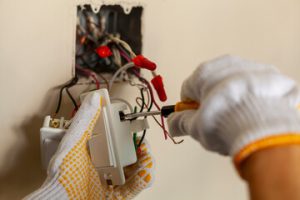
Modern households and commercial properties demand far more electricity than previous generations. High-efficiency heating and cooling systems, home offices with multiple computers and monitors, large kitchen appliances, and entertainment setups place heavy loads on existing electrical infrastructure. In commercial settings, energy-intensive equipment, servers, security systems, and lighting for large spaces further amplify these demands. An outdated electrical panel may be unable to support these modern requirements, creating operational inefficiencies and safety concerns. Upgrading to a modern panel ensures that power is distributed effectively, circuits are properly protected, and the system can accommodate present and future demands.
One of the primary reasons to consider an electrical panel upgrade is safety. Older panels, particularly those manufactured several decades ago, may contain components that are no longer considered safe by today’s standards. Some older models, for instance, lack the proper overcurrent protection needed to prevent fires during electrical faults. Additionally, materials within older panels may have deteriorated over time, creating an increased risk of arcing, overheating, or short circuits. Modern panels are designed with advanced safety features, including improved circuit breakers, surge protection, and better grounding capabilities, reducing the likelihood of accidents and providing peace of mind for property owners.
Another key benefit of upgrading an electrical panel is the ability to support new technology. Smart home systems, electric vehicle chargers, advanced security systems, and energy management devices all require stable and reliable power. Without sufficient capacity, these devices may underperform or create additional strain on older electrical infrastructure. Commercial facilities also rely on high-powered machinery, lighting systems, and network equipment that demand consistent voltage and load balancing. A modern panel upgrade ensures that the system can handle these requirements without risk of overload or equipment failure.
Capacity is a major consideration when evaluating panel upgrades. Many older homes and commercial buildings operate with panels rated for 60 to 100 amps, which may have been sufficient when energy demands were lower. Today, most modern homes require 150 to 200 amps or more to accommodate the combination of lighting, appliances, HVAC systems, and electronic devices. Commercial properties may require even higher amperage to power industrial equipment, servers, and high-intensity lighting systems. Upgrading the panel allows for increased amperage, providing sufficient capacity to safely distribute power across all circuits and reducing the likelihood of breaker trips or voltage drops.
Efficiency is another important factor. Old panels with outdated breakers or corroded connections can reduce energy efficiency and cause excess heat buildup. Heat not only decreases efficiency but can also degrade surrounding wiring and components, leading to higher maintenance costs and increased risk of failure. Modern electrical panels are designed to minimize energy loss and operate more efficiently, often integrating advanced monitoring systems that help property owners track energy consumption and optimize performance.
When considering an electrical panel upgrade, it is essential to work with licensed and experienced electrical contractors. Panel replacement involves complex tasks such as disconnecting power safely, transferring circuits to a new panel, installing new breakers, and ensuring proper grounding and bonding. A professional approach ensures compliance with current codes, reduces the risk of mistakes, and guarantees that the system is fully tested and operational before restoring power. Attempting to upgrade a panel without professional expertise can be dangerous and may result in long-term safety issues or code violations.
Upgrading an electrical panel also allows property owners to future-proof their electrical infrastructure. As technology continues to advance, electrical demands are only expected to increase. Homes may adopt electric vehicles, additional appliances, or home offices, while commercial facilities might expand operations, install new equipment, or upgrade to energy-intensive systems. A modern panel provides the flexibility to add circuits, incorporate new technology, and meet increased load requirements without needing further costly infrastructure changes. Planning for future needs during a panel upgrade is a strategic investment that saves time, money, and stress in the long run.
Preventive maintenance should accompany any panel upgrade. Regular inspections of the panel, breakers, and connected circuits ensure that the system continues to operate safely and efficiently. Maintenance activities may include checking for signs of corrosion, testing breaker functionality, tightening connections, and verifying grounding. Proactive maintenance reduces the likelihood of future issues and prolongs the lifespan of the electrical system.
Cost considerations often play a role in the decision to upgrade an electrical panel. While an upgrade represents an upfront investment, the long-term savings and risk mitigation can be substantial. Avoiding frequent breaker trips, preventing electrical fires, reducing equipment damage, and supporting energy-efficient systems all contribute to the overall financial benefit. For commercial operations, minimizing downtime caused by electrical failures can preserve productivity and revenue, making the investment even more worthwhile.
In addition to capacity and safety, modern electrical panels often integrate advanced features such as surge protection and monitoring systems. Surge protection safeguards sensitive electronics and appliances from voltage spikes caused by lightning strikes, power outages, or utility fluctuations. Monitoring systems provide real-time insights into electrical consumption, helping property owners identify inefficient circuits, balance loads, and plan upgrades effectively. These features enhance both safety and operational efficiency.
Residential panel upgrades typically involve replacing the main service panel and adding or updating breakers to accommodate current and future electrical loads. This process may include reconfiguring existing circuits, adding new dedicated circuits for high-demand appliances, and ensuring proper grounding and bonding. In commercial settings, panel upgrades can be more complex, involving large distribution boards, multi-phase power, and integration with backup power systems or uninterruptible power supplies. Regardless of scale, the goal remains the same: to provide a reliable, safe, and efficient distribution of electrical power throughout the property.
Another critical consideration is compliance with electrical codes and safety standards. Electrical codes evolve to reflect advancements in safety and technology. Older panels may not meet current requirements, leaving properties vulnerable to safety hazards or code violations. A professional panel upgrade ensures compliance with current regulations, protecting both property owners and occupants. It also provides documentation of compliance, which can be essential for insurance purposes and property transactions.
Energy efficiency benefits extend beyond reducing electricity consumption. A modern panel allows for more effective distribution of power, reducing energy losses caused by heat, overloading, or imbalanced circuits. This can translate into lower utility costs, particularly in commercial facilities with high electrical loads. By combining panel upgrades with energy-efficient lighting, HVAC systems, and equipment, property owners can create a more sustainable and cost-effective electrical ecosystem.
Timing is an important consideration for panel upgrades. Many property owners wait until visible problems, such as frequent breaker trips or flickering lights, force action. However, proactive upgrades before issues occur provide the greatest safety and efficiency benefits. Signs that a property may require a panel upgrade include outdated panel models, insufficient amperage, frequent breaker trips, buzzing or warm panels, and the addition of high-demand equipment. Recognizing these indicators early can prevent emergencies and reduce overall costs.
In conclusion, electrical panel upgrades are an essential component of modern power management. They address safety concerns, increase capacity, improve efficiency, and prepare properties for current and future energy demands. Whether in residential or commercial settings, upgrading an electrical panel provides a reliable foundation for all electrical systems, ensuring that appliances, technology, and operational equipment perform optimally.
Working with professional electrical contractors ensures that the upgrade is performed safely, efficiently, and in compliance with current codes. It also allows for the integration of modern features such as surge protection, monitoring systems, and scalable circuit configurations. For property owners looking to enhance safety, prevent costly repairs, and support growing electrical needs, an electrical panel upgrade represents a smart and necessary investment.
By taking proactive steps to modernize electrical infrastructure, homes and commercial facilities can meet the demands of today’s technology-driven environment while minimizing risks, enhancing efficiency, and safeguarding occupants and equipment. Electrical panel upgrades are not just a technical improvement—they are a strategic solution for long-term safety, reliability, and operational resilience.